SuperDry Restoration Brick Township
24/7 Emergency Response

Water Damage Restoration in Brick Township.

Emergency water extraction, structural drying, and full reconstruction after pipe failures, appliance leaks, and storm intrusion.

Local team in Brick Township Honest, transparent pricing 24/7 emergency line
โ˜…
Local Based in Brick Township
โ˜…
Honest Transparent pricing
โ˜…
Direct You talk to the owner
Service Overview

How We Approach It

Water damage is the most common emergency we handle. The visible water is the easy part. The damage that costs the most happens behind drywall, under flooring, and inside cavities you cannot see.

What's Included

  • 24/7 emergency response
  • Insurance-ready documentation
  • Calibrated moisture mapping
  • EPA-registered antimicrobial treatment
  • Reconstruction in-house

How Water Damage Restoration Actually Works

The work breaks into three distinct phases: extraction, drying, and reconstruction. Each phase has clear technical standards that good restorers follow and bad ones cut corners on.

Extraction. Standing water gets removed first with truck-mounted vacuum equipment. Visible water on hard surfaces is the simple part. The bigger job is pulling moisture out of carpet pad, subfloor, and the inside of wall cavities. We use weighted rovers, water claws, and probe meters to confirm what is wet underneath.

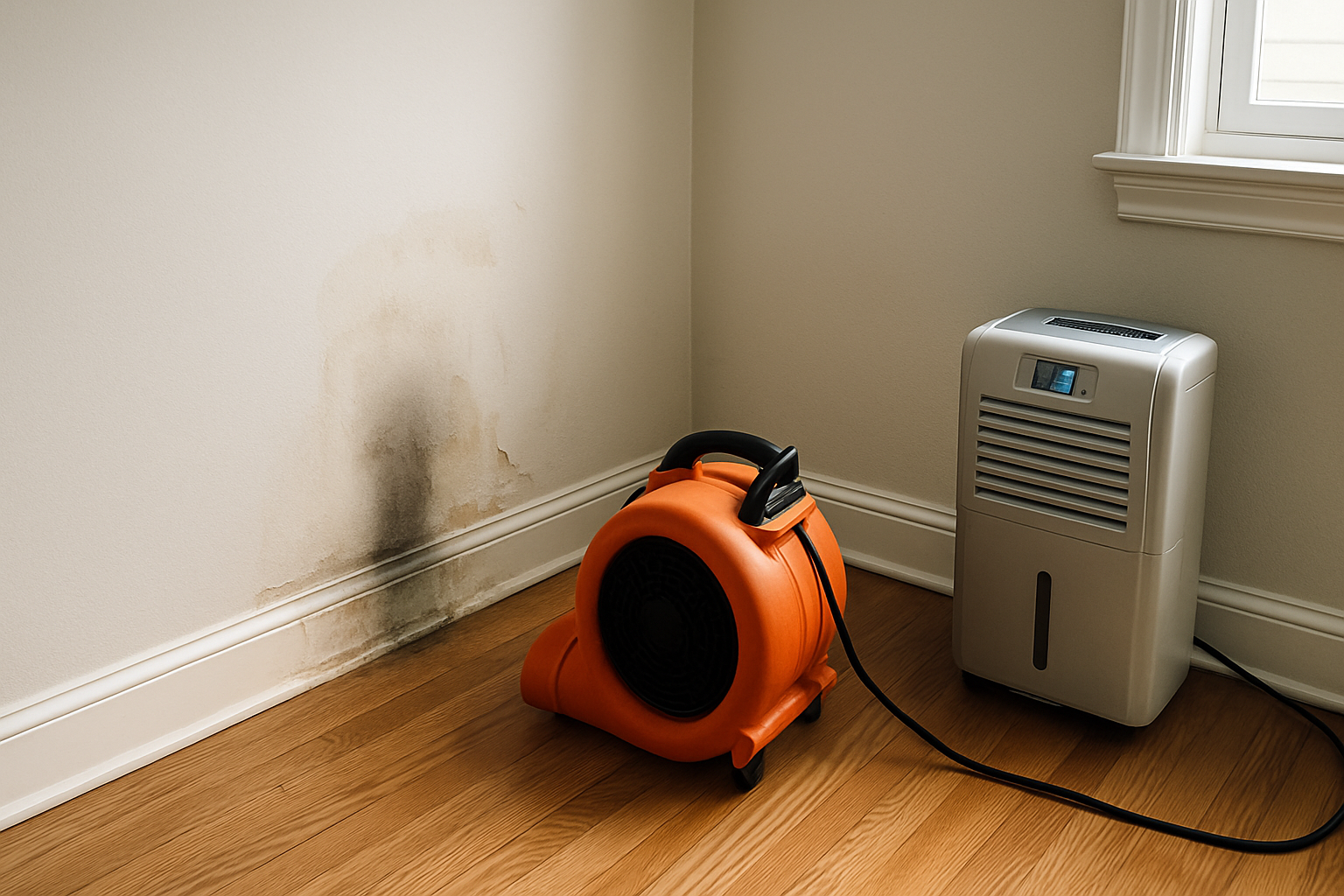
Drying. Industrial air movers create cross-ventilation across affected materials while LGR dehumidifiers pull moisture out of the air. We map moisture readings every 24 hours and reposition equipment based on what is actually drying versus what is stalled. Standard residential drying runs 3 to 5 days. Cutting it short is how mold problems start six weeks later.

Reconstruction. Drywall, flooring, paint, and trim are restored to pre-loss condition. Same crew, one phone number, one accountable team from first call to final walk-through.

What Insurance Actually Covers

Standard homeowner policies cover SUDDEN AND ACCIDENTAL water damage โ€” pipe bursts, appliance failures, storm intrusion through a damaged roof. They do not cover GRADUAL damage from a slow leak you did not notice for months, or flood from rising water (that requires separate flood insurance through the NFIP).

What we document for your claim:

  • Source of loss and date discovered
  • Photos of the affected area before any work starts
  • Moisture readings as a baseline and at each daily monitoring visit
  • Detailed scope of mitigation and reconstruction with line-item pricing
  • Equipment list and run times

This documentation is what gets your claim approved without three rounds of back-and-forth with an adjuster.

Process

Our Process

  1. 01

    You Call

    A real person answers the phone 24 hours a day. We get the address, the situation, and what equipment to load. Calls take under two minutes.

  2. 02

    We Roll

    A truck heads out within minutes for active losses. Standard target is on site within 60 minutes anywhere in central NJ.

  3. 03

    Stop the Damage

    Water out, contaminated material removed, drying equipment placed, affected areas sealed off. The first 24 hours decide whether the loss stays small or grows.

  4. 04

    Dry It Right

    Air movers and dehumidifiers run for three to five days. We come back daily to take moisture readings and adjust until the structure reads dry on the meter.

  5. 05

    Put It Back

    The same crew that pulled out the wet drywall puts the new drywall back in. One contract from first call to final walk-through.

24/7 Emergency

Active damage right now? Call our Brick Township dispatch.

We dispatch a tech 24/7 across the Brick Township metro. Average on-site time is under an hour.

Call 908-274-3422
The difference

Why Customers Choose Us

Real reasons. No invented stats, no manufactured awards.

  • 01
    โœ“

    On Site Within An Hour

    We stage trucks across central NJ. When you call, you talk to someone local who knows the area and is already mobilizing.

  • 02
    โœ“

    We Speak Insurance

    Most of our work is insurance claims. We document moisture readings, photograph everything, and write scopes that adjusters can read without calling back. Your claim moves faster.

  • 03
    โœ“

    One Crew, Start To Finish

    The same team handles mitigation and reconstruction. No handoffs. Accountability stays in one place.

Service Area

Serving Ocean County and Monmouth County

Trucks roll out of our Mantoloking Road shop and reach Toms River, Point Pleasant, Lakewood, Wall Township, and Howell inside the hour during normal traffic. Storm season we pre-stage equipment so 30-call surge windows do not slow down individual response times. South of Bay Head or west of the Garden State Parkway? Call us anyway โ€” we will tell you straight whether we can be there fast enough to be useful or whether you should call somebody closer.

Counties Covered

  • Ocean County, NJ
  • Monmouth County, NJ

Cities We Service

Each Ocean and Monmouth city below opens a local page with arrival times from our Brick Township base and the loss patterns we handle most often in that municipality.

Not sure if you're in our area? Call 908-274-3422 and we'll tell you in 30 seconds.
FAQ

Frequently Asked Questions

If you don't see your question, just call or message us.

How fast can you actually get here? +

For active losses across Ocean and Monmouth County, our standard is a truck on site within 60 minutes. Severe weather can push that to 90 minutes since calls hit all at once. We answer the phone 24/7/365.

Do you bill my insurance directly? +

Yes, with your authorization. We work with NJM, State Farm, Allstate, Liberty Mutual, Travelers, Progressive, and most other carriers. Get the claim number from your carrier first if you can; with that we can talk to your adjuster directly.

How long does drying take? +

A standard residential job runs three to five days under controlled conditions. Hardwood, plaster, and dense substrates push longer โ€” sometimes seven to ten days when the loss saturated structural members. We log calibrated meter readings every visit and only pull equipment when the wet materials match dry-standard moisture content for that specific substrate. No guessing, no "should be fine by now" โ€” documented numbers.

Will my floors and walls have to come out? +

Often less than people expect. Category-1 (clean supply-line) water that we reach inside the first 24-48 hours can usually be dried in place: the carpet stays, the drywall stays, the cabinets stay. The story changes for category-3 (sewage, river, ground intrusion) โ€” IICRC S500 protocol requires removing porous materials those waters contacted, so carpet pad, baseboards, the bottom 12-24 inches of drywall, and similar porous items come out. We cut to a controlled flood-line, document everything we remove, and replace it during the reconstruction phase.

How do you make sure mold does not come back? +

Mold prevention happens during drying, not after. We hold the structure under negative pressure with HEPA-filtered air movers until moisture meters confirm wood, drywall, and substrate are back inside the manufacturer-approved range โ€” not "feels dry," documented dry. Anything porous that absorbed contaminated water comes out. Surfaces that got wet receive a registered antimicrobial treatment before reconstruction. We also pull access panels and look at ductwork if water tracked into the HVAC system. When we find pre-existing growth that the leak revealed, we contain that section and remediate before any rebuild starts on top of it.

Are you open weekends and holidays? +

Emergency dispatch is 24/7/365. Reconstruction work and consultations follow business hours.

Call Now โ€ข Brick Township

Active Damage in Brick Township? Call Right Now.

One phone call gets a truck rolling. Real Brick Township team, real local response time, no automated phone tree. We'll be on site fast.

๐Ÿ“ž Call 908-274-3422